When it comes to optimizing the layout and design of a building, space efficiency is key. One of the ways to achieve this is through the use of suspended ducting. This innovative solution not only saves valuable floor space but also provides a range of other benefits. In this article, we will explore the concept of suspended ducting and its advantages in various applications.
suspended ducting refers to a system of ductwork that is installed overhead, typically hung from the ceiling or roof structure. This configuration allows for the HVAC system to operate effectively while keeping the floor clear for other uses. By utilizing the vertical space, suspended ducting maximizes the usable area within a building, making it an ideal choice for tight or crowded spaces.
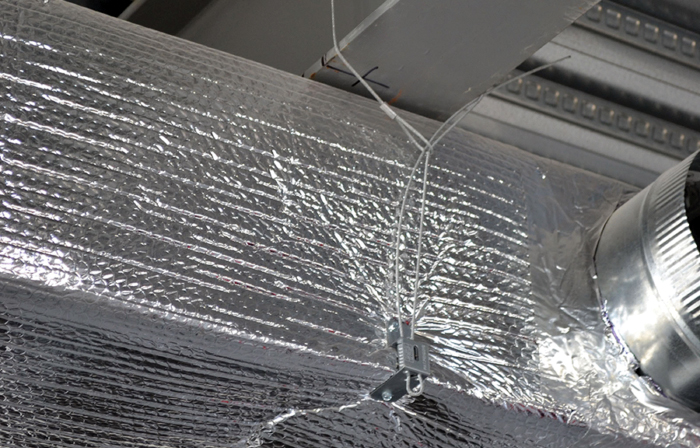
One of the primary benefits of suspended ducting is its ability to enhance indoor air quality. By positioning the ductwork overhead, it ensures that the conditioned air is evenly distributed throughout the space, improving ventilation and reducing the risk of stagnation. This promotes a healthier indoor environment for occupants, leading to increased comfort and productivity.
Another advantage of suspended ducting is its flexibility in design and installation. Unlike traditional ductwork that is confined to the walls or floors, suspended ducting can be easily routed around obstacles or obstacles, allowing for a more efficient and tailored HVAC system. This adaptability is especially useful in retrofitting projects where space constraints or existing structures pose challenges to conventional ductwork.
In addition to improved air quality and flexible installation, suspended ducting also offers energy efficiency benefits. By reducing the distance that the conditioned air needs to travel, it minimizes heat loss or gain, resulting in lower energy consumption and operational costs. This eco-friendly solution not only benefits the environment but also contributes to long-term savings for building owners and operators.
suspended ducting is not limited to HVAC applications but can also be utilized for other systems such as electrical wiring, plumbing, or data cabling. By consolidating these services within the overhead space, it streamlines the building infrastructure and eliminates the need for multiple systems running through the walls or floors. This simplification not only saves time and resources during construction but also facilitates maintenance and future upgrades.
Furthermore, suspended ducting can enhance the aesthetic appeal of a space by concealing unsightly fixtures or equipment. The clean and unobtrusive design of overhead ductwork contributes to a more open and inviting environment, making it an ideal choice for commercial or public settings. This visual improvement can positively impact the perception of a building and create a more pleasant experience for occupants and visitors.
In conclusion, suspended ducting is a practical and efficient solution for maximizing space utilization in buildings. Its benefits extend beyond saving floor space to include enhanced air quality, energy efficiency, flexibility, and aesthetic appeal. Whether in a retrofit project or new construction, suspended ducting offers a versatile and sustainable option for optimizing the building’s layout and performance.
When considering the design and layout of a building, architects and engineers should explore the potential of suspended ducting as a space-efficient solution. Its versatility and advantages make it a valuable asset in creating a comfortable and functional indoor environment. By incorporating suspended ducting into the building design, professionals can achieve optimal results that benefit both occupants and the overall performance of the structure.